If you’re a kratom user looking to get more from your experience without increasing your dosage, learning how to potentiate kratom can be a game-changer. Potentiation refers to the process of enhancing kratom’s effects through various methods that increase its bioavailability or slow its metabolism in your body. This comprehensive guide explores science-backed and community-tested methods to safely potentiate kratom while minimizing risks.
Understanding how to properly potentiate kratom not only helps you achieve stronger effects but can also help reduce your overall consumption, potentially saving money and lowering tolerance buildup. Let’s dive into the science behind kratom potentiation and discover the most effective methods.
What Does “Potentiating Kratom” Mean?
Potentiating kratom means using specific substances or techniques to enhance the herb’s effects. This process works in several ways: by increasing the absorption of kratom’s active alkaloids (primarily mitragynine and 7-hydroxymitragynine), by slowing down the metabolism of these compounds in your liver, or by creating synergistic effects when combined with certain substances.
Many kratom users seek potentiation methods for several reasons:
- To achieve stronger effects without increasing dosage
- To extend the duration of kratom’s effects
- To reduce tolerance buildup
- To save money by using less kratom
- To potentially reduce side effects associated with higher doses
While potentiation can be beneficial when done correctly, it’s important to approach these methods with caution and understand both the mechanisms and potential risks involved.
Citrus-Based Potentiation Methods

1. Grapefruit Juice
Mechanism: Grapefruit juice contains compounds called furanocoumarins that inhibit the CYP3A4 enzyme in your liver. This enzyme normally breaks down kratom’s alkaloids, so inhibiting it allows the alkaloids to remain active in your system longer.
How to use: Drink 8oz of fresh grapefruit juice 45-60 minutes before taking kratom. Alternatively, mix your kratom powder directly with grapefruit juice and consume it together.
Safety note: Grapefruit juice can interact with many medications by affecting the same liver enzymes. If you take any prescription medications, consult with your healthcare provider before using this method.
2. Orange Juice
Mechanism: Orange juice works through two mechanisms: its acidic nature helps extract alkaloids from kratom powder, and the vitamin C may enhance absorption. The citric acid in orange juice may also help mask kratom’s bitter taste.
How to use: Mix your kratom dose with 4-8oz of orange juice, stir thoroughly, and let it sit for 10-15 minutes before consuming. Fresh-squeezed juice works best, but store-bought is also effective.
3. Lemon or Lime Juice
Mechanism: The high acidity of lemon and lime juice helps break down the cell walls of kratom powder, making the alkaloids more bioavailable. This process is similar to a “lemon tek” used with other botanical substances.
How to use: Mix your kratom dose with the juice of half a lemon or lime, add enough water to make it drinkable, and let it sit for 15-20 minutes before consuming.
Herbal and Natural Potentiators
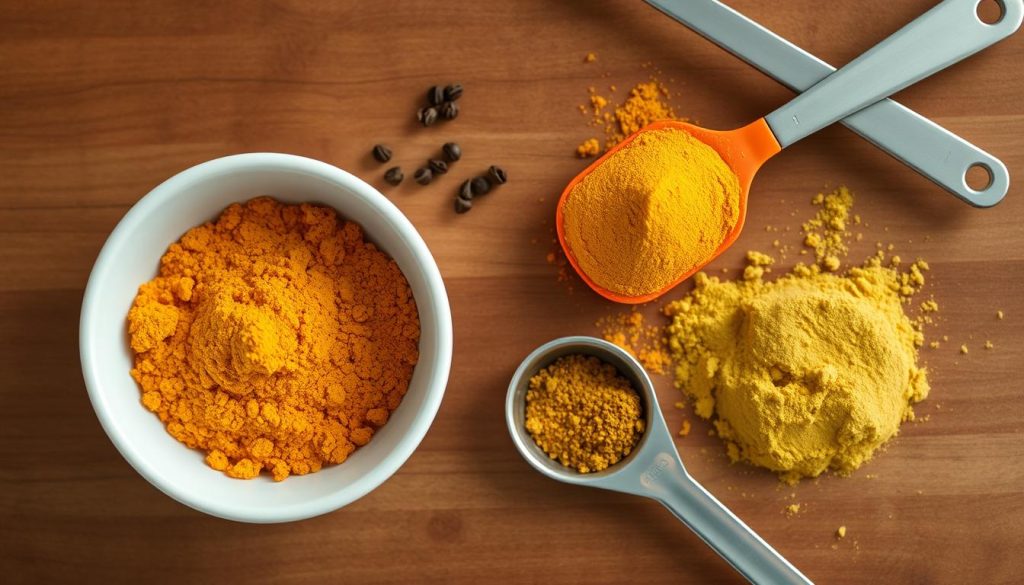
4. Turmeric and Black Pepper
Mechanism: Turmeric contains curcumin, which can inhibit certain metabolic enzymes similar to grapefruit juice. Black pepper contains piperine, which enhances curcumin absorption by up to 2000% and may also slow kratom metabolism.
How to use: Mix 1/2 teaspoon of turmeric powder and a pinch of black pepper with your kratom dose. For best results, take this combination with a small amount of healthy fat (like coconut oil) to improve curcumin absorption.
The combination of turmeric and black pepper is one of the most effective natural potentiators for kratom. The synergistic effect can significantly enhance both the intensity and duration of kratom’s effects.
5. Chamomile Tea
Mechanism: Chamomile contains compounds that may enhance the relaxing properties of kratom, particularly red vein strains. It works through a synergistic effect rather than directly affecting kratom metabolism.
How to use: Brew a cup of chamomile tea, let it cool slightly, then mix in your kratom dose. Consume while still warm but not hot (high temperatures can degrade kratom alkaloids).
Supplement-Based Potentiation Methods
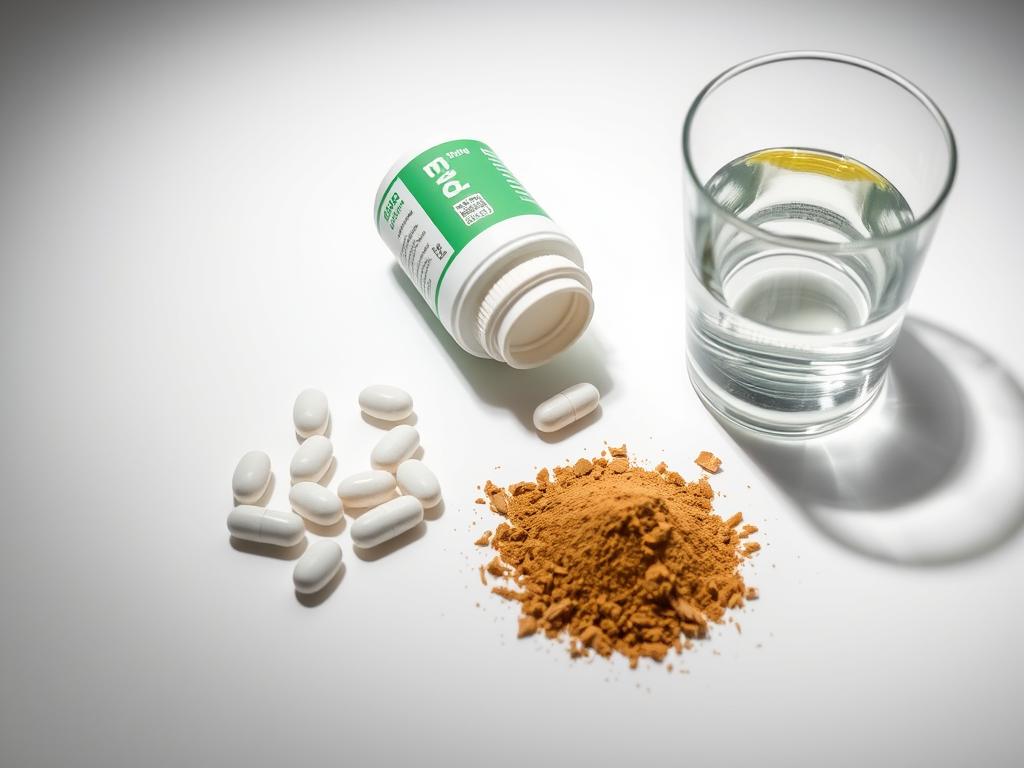
6. Magnesium
Mechanism: Magnesium acts as an NMDA antagonist, which may help prevent or reduce tolerance to kratom. It doesn’t directly potentiate kratom’s immediate effects but can help maintain sensitivity to kratom over time.
How to use: Take 200-400mg of magnesium glycinate or magnesium citrate (more bioavailable forms) 30 minutes before your kratom dose. For tolerance management, take magnesium daily, not just when using kratom.
7. Cayenne Pepper
Mechanism: Cayenne pepper contains capsaicin, which can increase blood flow and potentially enhance the absorption of kratom alkaloids. It may also stimulate the digestive system, helping to process kratom more efficiently.
How to use: Add 1/4 teaspoon of cayenne pepper to your kratom mixture, or take a cayenne supplement 30 minutes before your kratom dose.
Consumption Techniques for Enhanced Effects

8. Empty Stomach Method
Mechanism: Taking kratom on an empty stomach allows for faster and more complete absorption of its alkaloids without competition from food. This isn’t technically potentiation but significantly enhances effects.
How to use: Take your kratom dose first thing in the morning or at least 2-3 hours after your last meal. If you experience stomach discomfort, consume a small amount of non-fatty food 15 minutes after taking kratom.
9. Freezing Method
Mechanism: Freezing kratom in an acidic liquid causes the cell walls to break down through a process called cell lysis. This releases more alkaloids and makes them more readily available for absorption.
How to use:
- Mix your kratom dose with lemon or lime juice (enough to create a paste)
- Let it sit for 15-20 minutes
- Add a small amount of water
- Freeze the mixture for at least 2 hours until solid
- Thaw and consume (the mixture may turn darker, indicating cell lysis has occurred)
Natural vs. Pharmacological Potentiators: Pros and Cons
Natural Potentiators
- Generally safer with fewer side effects
- Widely available and legal
- Often provide additional health benefits
- Less likely to cause dangerous interactions
- Can be incorporated into daily routine
Pharmacological Potentiators
- Higher risk of adverse reactions
- Potential for dangerous drug interactions
- May require prescription or be illegal
- Often stronger but less predictable effects
- Greater risk of dependency issues
Important: While some users report combining kratom with prescription medications like diphenhydramine or certain pain relievers, we strongly advise against this practice. These combinations can be dangerous and unpredictable, potentially leading to serious health consequences.
Understanding the Risks of Kratom Potentiation
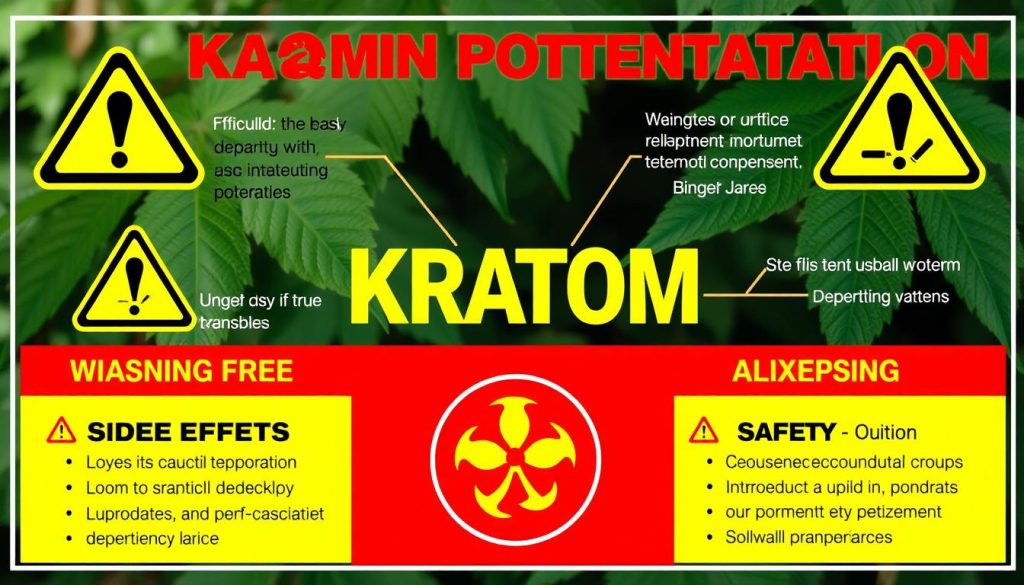
While potentiating kratom can provide enhanced benefits, it’s crucial to understand and respect the potential risks involved:
Potential Side Effects
- Nausea and stomach discomfort: Enhanced kratom effects can increase the likelihood of digestive issues
- Dizziness and wobbles: Potentiated kratom may cause the “wobbles” – a feeling of dizziness and difficulty focusing the eyes
- Increased sedation: Particularly with red strains, potentiation can lead to excessive sedation
- Unpredictable effects: Combining substances can produce effects that are difficult to predict or control
Tolerance and Dependency Concerns
While potentiation may temporarily reduce the amount of kratom needed, it doesn’t necessarily prevent tolerance development. In fact, consistently experiencing stronger effects may accelerate tolerance buildup. To minimize this risk:
- Use potentiation methods occasionally, not daily
- Rotate between different potentiators
- Take regular breaks from kratom use (tolerance resets)
- Monitor your usage patterns carefully
Drug Interactions
Many potentiators, especially those that affect liver enzymes like grapefruit juice, can interact with medications. Always consult with a healthcare provider if you’re taking any prescription medications alongside kratom or potentiators.
Frequently Asked Questions About Potentiating Kratom
Does lemon juice really boost kratom’s effects?
Yes, lemon juice can enhance kratom’s effects through two mechanisms. First, its acidity helps break down the plant cell walls, releasing more alkaloids. Second, the acidic environment may help protect alkaloids from degradation in the stomach. Many users report noticeably stronger effects when using the lemon juice method, particularly when allowing the mixture to sit for 15-20 minutes before consumption.
Can you potentiate kratom without tolerance issues?
While potentiation can temporarily reduce the amount of kratom needed, it doesn’t prevent tolerance development. The key to minimizing tolerance is to use potentiation methods strategically rather than daily. Cycling between different potentiators, taking regular breaks from kratom, and using magnesium supplements may help manage tolerance. Remember that tolerance is related to the effects experienced, not just the amount consumed.
How long before kratom kicks in when using potentiators?
When using potentiators, kratom’s effects typically begin within 20-40 minutes, compared to the usual 30-45 minutes. However, this varies based on the potentiation method used. Citrus methods and empty stomach consumption tend to produce faster onset times, while enzyme inhibitors like grapefruit juice may not speed up initial effects but can extend their duration. The freezing method often produces the quickest onset due to the pre-extraction of alkaloids.
Which potentiation method is best for pain relief?
For enhanced pain relief, the combination of turmeric and black pepper is often considered most effective. Turmeric itself has anti-inflammatory properties that complement kratom’s pain-relieving effects. The freezing method is another good option for pain relief as it maximizes alkaloid extraction. Red strain kratom potentiated with either of these methods typically provides the strongest analgesic effects.
Is it safe to potentiate kratom daily?
Daily potentiation is not recommended for several reasons. First, it can accelerate tolerance development. Second, some potentiators (like grapefruit juice) can affect liver enzymes that process other medications, potentially causing interactions. Third, stronger daily effects may increase the risk of dependency. For the safest approach, limit potentiation to occasional use, perhaps 1-2 times per week, while using regular, non-potentiated kratom for daily use if needed.
Conclusion: Responsible Kratom Potentiation
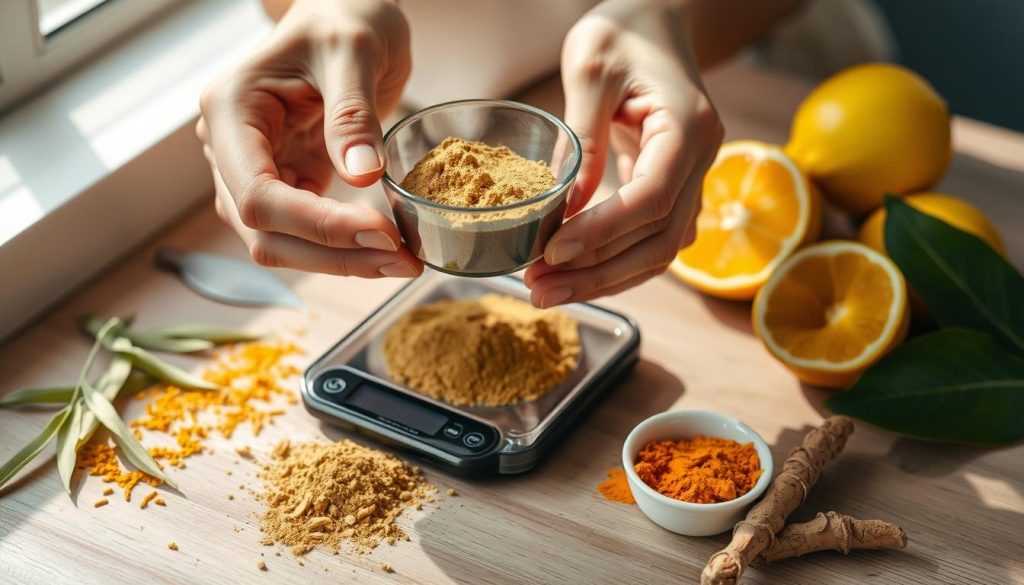
Potentiating kratom can be a valuable approach for enhancing its effects while potentially reducing overall consumption. The methods outlined in this guide provide science-backed and community-tested options that can be incorporated into your kratom routine safely when used with proper caution.
Remember that the goal of potentiation should be to optimize your experience, not to continuously chase stronger effects. The most sustainable approach is to use these methods occasionally and mindfully, while respecting kratom’s effects and your body’s responses.
Always start with lower doses when trying a new potentiation method, and pay close attention to how your body reacts. By approaching kratom potentiation with knowledge and respect, you can enhance your experience while maintaining a healthy relationship with this botanical.
Disclaimer: This article is for informational purposes only and does not constitute medical advice. Kratom affects individuals differently, and combining it with other substances may carry risks. Always consult with a healthcare professional before trying new supplements or making changes to your health regimen, especially if you have underlying health conditions or take medications.