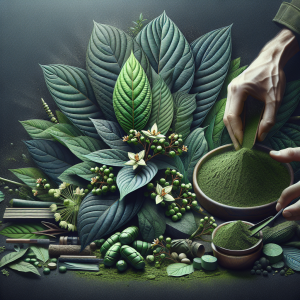
Understanding Kratom: Overview and Origins
Kratom, a tropical tree native to Southeast Asia, has gained significant attention in recent years. Its leaves contain compounds that can produce both stimulant and sedative effects. Traditionally, people use kratom in various forms, such as teas or capsules. In Southeast Asia, particularly in countries like Thailand and Indonesia, locals have used it for centuries to relieve pain, boost energy, and enhance mood.
Originating from the Mitragyna speciosa tree, kratom holds a deep cultural significance in its native regions. Farmers often consume it to fight fatigue during long hours of work. The use of kratom has expanded globally, which raises a critical question: Is kratom legal in various parts of the world, especially Senegal?
Legal Status of Kratom: A Global Perspective
Kratom’s legal status varies widely from country to country. In some regions, it is legal and accessible, while in others, it is banned or restricted. Countries like Malaysia and Thailand have stringent laws against kratom usage, whereas the United States and several European nations have more lenient regulations. Understanding these distinctions is vital for anyone considering kratom use.
Navigating the legal landscape can be tricky. Some places classify kratom as a controlled substance, while others do not. Legal frameworks often change, so it’s essential to stay updated. Now, let’s focus on its status in Senegal.
Is Kratom Legal in Senegal?
As of now, the legal status of kratom in Senegal remains somewhat ambiguous. Senegal has not explicitly legalized or banned kratom. Still, it’s important to approach the subject carefully. The local authorities might interpret laws differently, impacting how they view kratom.
Although there are no specific regulations on kratom, it doesn’t mean it’s free for use. The government has regulations regarding psychoactive substances. Being a herbal product with psychoactive effects, kratom may fall under scrutiny. Therefore, caution is advisable for anyone considering its use.
Risks of Using Kratom in Senegal
Using kratom can pose various risks, especially in a country without clear regulations. One of the potential risks is legal repercussion. Even if kratom isn’t technically classified as illegal, using it could attract unwanted attention from law enforcement. Being involved with substances under scrutiny may inadvertently lead to complications.
Moreover, health risks accompany kratom use. Individuals may experience side effects like nausea, anxiety, and dependency with prolonged use. These effects underline the importance of making informed decisions. Always consult local healthcare professionals before consuming substances with ambiguous legal status.
Cultural Context: Attitudes Towards Herbal Remedies
Senegal has a rich tradition of using herbal remedies, stemming from both indigenous practices and influences from other cultures. While some plants enjoy widespread acceptance, others face skepticism, particularly those associated with psychoactive effects. This context influences how kratom could be perceived by local communities.
People in Senegal often turn to herbal medicine for various ailments. Traditional healers play a vital role in this landscape, providing medicines rooted in local flora. If kratom were to gain popularity, it might find a place among these traditional remedies, depending on public perception and outcomes.
Understanding the Compounds in Kratom
Kratom leaves contain two primary compounds: mitragynine and 7-hydroxymitragynine. Each of these compounds has distinct properties. Mitragynine primarily acts as a stimulant at lower doses, whereas 7-hydroxymitragynine offers more sedative effects at higher doses.
Understanding these compounds can help users gauge how kratom might affect them. The experience varies greatly from person to person and can change based on dosage. The interplay of these compounds makes kratom a versatile, yet potentially risky, substance.
| Compound | Effect at Low Doses | Effect at High Doses |
|---|---|---|
| Mitragynine | Stimulating | Mild sedative |
| 7-Hydroxymitragynine | Minimal effect | Strong sedative |
FAQs About Kratom and its Use
1. What is kratom primarily used for?
Kratom is often used for pain relief, mood enhancement, and energy boosting. Some consume it to help manage withdrawal symptoms from opioids.
2. Are there any legal consequences of using kratom in Senegal?
Since kratom’s legal status is unclear, using it could pose legal risks. Individuals should proceed with caution.
3. What are some potential side effects of kratom?
Side effects may include nausea, constipation, and anxiety. With high doses, individuals risk becoming dependent on the substance.
4. How is kratom typically consumed?
Kratom is commonly consumed as a tea, capsule, or powder. The method of consumption can influence its effects.
5. Is kratom safe for everyone?
No. Pregnant individuals, those with certain health conditions, and those on specific medications should avoid kratom without consultation.
6. Can you buy kratom online in Senegal?
While online purchases are possible, there could be legal implications. Exercise extreme caution and check local laws before buying.
7. What should you do if you experience side effects from kratom?
Stop using it immediately. Consult a healthcare professional for advice, especially if severe symptoms occur.
8. Is kratom recognized as a medicine in any country?
Some countries have considered legislation for medical use, but kratom is not widely accepted as a medicinal substance.
9. How does kratom affect emotional states?
Many users report improved mood and reduced anxiety. However, these effects can vary from person to person.
10. Can kratom be mixed with other substances safely?
Mixing substances can be dangerous. It’s vital to consult a healthcare provider before combining kratom with any other drugs.
Conclusion: The Takeaway on Kratom in Senegal
In short, understanding kratom’s legality in Senegal is essential for anyone considering its use. The unclear status poses potential risks, both legally and healthwise. While the rich herbal tradition in Senegal may provide fertile ground for kratom, it also necessitates caution.
Kratom can offer benefits but also carries significant risks. Always seek professional advice and stay informed about local regulations. Before you make any decisions, weigh the pros against the cons carefully.