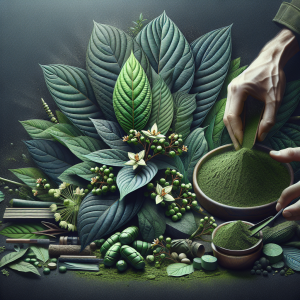
Kratom, a plant native to Southeast Asia, has gained popularity in the United States. This interest has sparked many questions, particularly regarding its legality. In South Dakota, the laws surrounding kratom can be a bit confusing. This guide aims to clarify the legal status of kratom in South Dakota, its effects, potential uses, and the ongoing debates surrounding its legality.
Understanding Kratom
What is Kratom?
Kratom, scientifically known as Mitragyna speciosa, is a tropical tree from the coffee family. Its leaves contain compounds that can have psychotropic effects. People often chew the leaves, crush them into powder, or use them to make teas. Users report a range of effects, from pain relief to increased energy.
One major component of kratom is mitragynine, which binds to opioid receptors in the brain. This interaction leads to both stimulant and sedative effects, depending on the dosage. Lower doses tend to provide an energizing effect, while higher doses often lead to a more sedative state.
Uses of Kratom
People use kratom for various reasons. Some common applications include:
- Pain Relief: Many individuals turn to kratom for managing chronic pain conditions.
- Mood Enhancement: Users often report improved mood and reduced anxiety.
- Energy Booster: At lower doses, kratom can enhance alertness and focus.
- Withdrawal Aid: Some turn to kratom to help with withdrawal symptoms from opioids.
While many find these effects beneficial, kratom use is not without risks. It’s important to understand both its benefits and potential side effects.
Legal Landscape of Kratom in the United States
Federal Law
Kratom remains legal at the federal level in the United States. The Drug Enforcement Administration (DEA) has considered banning it but has not taken action. The lack of federal restrictions allows states to regulate kratom independently.
State-Specific Laws
States have different approaches to kratom, affecting its legality. Some states have fully embraced it, while others have chosen to ban it altogether. In South Dakota, the conversation is still very much alive.
Is Kratom Legal in South Dakota?
Current Legal Status
As of now, kratom is legal in South Dakota. There are no state laws banning the sale, possession, or use of kratom. This puts South Dakota in contrast with several states that have imposed restrictions or outright bans on kratom.
Recent Legislative Developments
While kratom is currently legal, discussions continue in the South Dakota legislature. Lawmakers have expressed concerns over kratom’s safety and potential health risks. There were attempts to introduce bills aimed at regulating it, but none have been passed.
Potential Risks of Kratom
Health Risks
Though kratom may offer benefits, it carries risks. Some users report side effects like nausea, dizziness, and constipation. In severe cases, high doses can lead to addiction or withdrawal symptoms.
Lack of Regulation
Since kratom is not regulated by the Food and Drug Administration (FDA), its quality can vary. Consumers may unintentionally purchase contaminated or adulterated products. This variability can lead to unintended health consequences.
Popular Perspectives
Support for Kratom
Proponents argue that kratom provides a natural alternative to opioids for pain management. Many users highlight its effectiveness in addressing chronic pain without the severe side effects of prescription medication. Supporters also emphasize its role in aiding withdrawal from more dangerous substances.
Opposition to Kratom
Critics express concerns about the lack of research supporting kratom’s safety. They warn of potential long-term consequences, particularly regarding addiction. Health officials and addiction specialists often advocate for a cautious approach, suggesting that more studies are necessary.
Impact on Local Economy
Kratom Market in South Dakota
The legality of kratom has fostered a growing market in South Dakota. Local shops and online retailers have begun selling kratom products. This development benefits the local economy by creating jobs and generating tax revenue.
Consumers’ Choices
As more shops open, consumers can choose between various kratom products. These include capsules, powders, extracts, and teas. The growth of the market also means more education about responsible use and potential risks.
The Future of Kratom in South Dakota
Potential Legislation
As mentioned earlier, the debate about kratom’s legality continues in South Dakota. Lawmakers may revisit the issue, particularly if concerns about health and safety persist. Awareness campaigns could emerge, emphasizing informed use.
Staying Informed
Individuals interested in kratom should keep an eye on potential legislative changes. Staying informed can ensure that users understand their rights and responsibilities. As community discussions evolve, more resources may become available for education and support.
Conclusion
Kratom remains a legal substance in South Dakota, but its future is uncertain. The ongoing debates about its benefits and risks highlight the need for more research and discussions. Individuals should exercise caution and stay informed about changes in local laws and health recommendations. The kratom landscape may shift, but for now, users can freely explore its potential benefits while being aware of the risks.
FAQs
1. Is kratom legal in other states?
Yes, kratom is legal in most states but banned in some, including Alabama, Arkansas, Indiana, Rhode Island, and Vermont.
2. Where can I buy kratom in South Dakota?
You can purchase kratom at local shops or online retailers. Ensure you choose reputable sources for quality assurance.
3. What are the side effects of kratom?
Common side effects include nausea, dizziness, relaxation, and constipation. Severe effects can include addiction symptoms at high doses.
4. Can kratom help with opioid withdrawal?
Some individuals report that kratom helps manage opioid withdrawal symptoms, but more research is necessary to support this claim.
5. Is kratom safe for everyone?
No, kratom may not be safe for everyone. Individuals with certain health conditions or those pregnant should avoid it.
6. How long does kratom stay in the system?
Kratom can be detected in the body for 1-7 days, depending on various factors like metabolism and dosage.
7. What is the recommended dosage for kratom?
Dosage varies by individual and desired effects, but starting with a small dose, such as 2-4 grams, is advisable for beginners.
8. Are there any drug interactions with kratom?
Yes, kratom may interact with various medications, including antidepressants and sedatives. Consult with a healthcare provider before use.
9. Can I travel with kratom?
Kratom is legal in South Dakota, but check the laws of other states or countries before traveling, as the rules may differ.
10. How can I find reliable kratom vendors?
Research vendors online, read reviews, and check for third-party lab testing to ensure the quality of kratom products.
References
- National Institute on Drug Abuse. (NIDA). Kratom.
- American Kratom Association. Kratom’s Legal Landscape.
- World Health Organization. Critical Review of Kratom.
- DEA. (Drug Enforcement Administration). Kratom Information.
By staying informed and understanding the complexities surrounding kratom, users in South Dakota can navigate the landscape more safely and responsibly.