Understanding Kratom
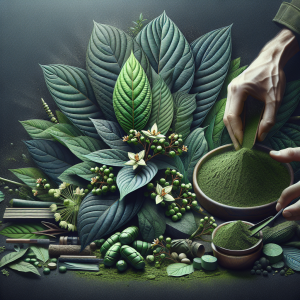
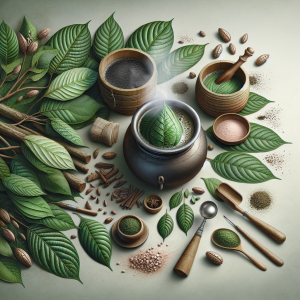
Kratom, scientifically known as Mitragyna speciosa, is a tropical tree native to Southeast Asia. Its leaves contain compounds that can affect the brain’s receptors. As a result, some people use it to relieve pain, boost mood, and, in some cases, manage opioid withdrawal symptoms. While this herbal remedy garners a passionate following, its legality varies widely across the globe, leading many to ask: Is Kratom legal in Somalia?
The Legal Landscape of Kratom
Kratom’s legal status often reflects the cultural and social attitudes toward drugs and herbal substances in different countries. In some places, it’s fully legal and readily available. In others, it faces restrictions or bans. The legal framework surrounding Kratom in Somalia is not unique. The nation’s complex political and social environment plays a significant role in how substances like Kratom are regulated.
In Somalia, formal laws about Kratom are somewhat unclear. This stems from a lack of comprehensive drug policies. However, anecdotal evidence suggests that Kratom is not considered a controlled substance. This lack of regulation can be both a blessing and a curse, as it creates room for both responsible use and potential abuse.
Kratom and Somali Culture
To understand the current situation of Kratom in Somalia, it’s essential to appreciate the country’s unique historical and cultural context. Traditional practices in some regions include the use of herbal remedies for various ailments. While Kratom has not penetrated Somali culture to the extent it has in Southeast Asia, its use mirrors that of other herbal remedies.
Many Somalis may consider herbal treatments for pain relief, anxiety, or other health concerns. However, the prevailing cultural attitudes toward substances can either encourage or discourage the use of something like Kratom. Many factors, including religious beliefs and social stigmas, contribute to these attitudes.
Health Benefits and Risks of Kratom
Kratom is often touted for its health benefits, primarily due to its active compounds known as alkaloids. The two major alkaloids, mitragynine and 7-hydroxymitragynine, interact with opioid receptors in the brain. Some users report increased energy and enhanced mood at low doses. Conversely, higher doses can produce sedative effects, leading to relaxation and pain relief.
However, the benefits are not without risks. Some individuals experience negative side effects, such as nausea, and dependency, or even withdrawal symptoms. Although many users claim that Kratom helps with opioid addiction, the scientific community remains divided. While there are anecdotal successes, rigorous clinical studies are lacking.
The Regulatory Gap
Unlike many countries, Somalia’s legal framework does not offer clear guidelines on Kratom. This lack of regulation means that anyone can potentially access it without legal repercussions. However, given the current political state, enforcement can be inconsistent. Some regions may have informal regulations based on local cultural norms or community practices.
Due to this regulatory gap, Kratom’s sale could fluctuate dramatically depending on local attitudes. Some vendors may choose to sell it openly, while others might avoid it due to fear of social stigma. In such a fluid legal landscape, the responsibility lies with the user to understand the risks involved.
Alternative Views on Kratom
Many views exist regarding Kratom’s impact on health and society. On the one hand, enthusiasts argue for its potential to provide significant pain relief and support mental health. The arguments often include testimonials from people who assert it’s been life-changing for them.
On the flip side are skeptics who warn against its use. These critics cite the danger of dependency, lack of controlled studies, and concerns over safety. They stress that without proper research, promoting Kratom could lead to unforeseen health crises.
How to Acquire Kratom in Somalia
Acquiring Kratom in Somalia can vary by region. Given the current unregulated status, some vendors may sell it in markets or herbal shops, though it’s advisable to be cautious. Potential users should ensure they are sourcing it from reputable places to mitigate risks related to impurities or adulterated products.
When considering Kratom, it’s also crucial to speak with locals to understand both the cultural attitudes and prevailing practices regarding herbal substances. Your safety and well-being should always come first.
The Social Impact of Kratom Use
Kratom’s emergence may invoke a variety of social attitudes. While some people may view it merely as another herbal product, others could see its use as questionable behavior dependent on cultural norms. As Kratom use spreads, potential societal implications, including increased conversation about mental health and wellness, begin to surface.
Awareness about Kratom’s benefits and risks can spur community dialogue. This discourse can foster understanding of traditional healing practices and introduce new perspectives on integrative health.
Future Outlook: Will Kratom Remain Legal in Somalia?
The future legality of Kratom in Somalia remains uncertain. As global perspectives on herbal substances evolve, they may influence local attitudes. Increased interest in natural remedies may lead to a more structured approach to regulating Kratom.
However, until there are more comprehensive studies and governmental guidelines, the status quo may linger. For those considering using Kratom, staying informed about legal changes is paramount.
FAQs
-
Is Kratom widely available in Somalia?
While not strictly illegal, Kratom’s availability can vary by region.
-
What are the main health benefits of Kratom?
Users often report pain relief, mood enhancement, and energy boosts.
-
Are there any risks associated with Kratom use?
Yes, potential risks include dependency, nausea, and withdrawal symptoms.
-
How do cultural attitudes influence Kratom use in Somalia?
Cultural beliefs and social norms can either support or discourage its use.
-
Can Kratom be addictive?
Some users may develop a dependency on Kratom, creating challenges if they wish to stop.
-
Are there studies that support Kratom’s benefits?
While anecdotal evidence exists, more rigorous clinical studies are necessary.
-
Is it safe to mix Kratom with other substances?
Mixing substances is generally discouraged and can increase health risks.
-
Can Kratom help with opioid withdrawal?
Some claim it assists with withdrawal symptoms, but scientific support is limited.
-
Is there a risk of adulterated Kratom products?
Yes, without regulation, some products may contain impurities.
-
What should I do if I’m considering using Kratom?
Consult with local users and health professionals to weigh the risks and benefits.
References
- National Institute on Drug Abuse (NIDA): Kratom
- American Kratom Association: Legal Status
- World Health Organization: Kratom Review