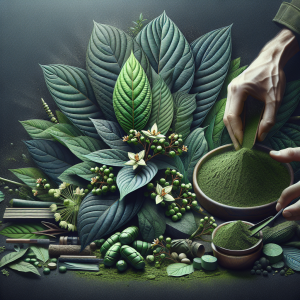
Understanding Kratom: Introduction to the Plant
Kratom, scientifically known as Mitragyna speciosa, is a tropical tree native to Southeast Asia. It has gained global attention for its unique properties. Many people use it for various reasons, including pain relief, mood enhancement, and increased energy. However, the legal status of kratom varies around the world. So, what about the Solomon Islands?
The Cultural Context of Kratom
Historically, kratom has deep roots in Southeast Asian culture. Native communities have used it for centuries. They consumed it as a traditional remedy to counter fatigue and boost productivity. In these settings, kratom is often chewed, brewed into tea, or taken in powder form.
In the Solomon Islands, cultural practices might vary. While kratom isn’t originally from the area, its global popularity has led to some interest. However, understanding its legality is crucial for anyone considering its use.
Legal Status of Kratom in the Solomon Islands
As of now, kratom’s legal status in the Solomon Islands remains unclear. Unlike countries with strict regulations, the Solomon Islands have not explicitly legalized or banned kratom. This gray area can lead to confusion.
However, if you are considering using kratom, proceed with caution. Laws can quickly change, and what might be legal today could become regulated tomorrow. Therefore, staying updated on local laws is essential.
Risks and Benefits of Using Kratom
Kratom offers potential benefits, but it comes with risks as well. Understanding both sides can help users make informed decisions.
Possible Benefits
-
Pain Relief: Many kratom users report reduced pain levels. This makes it a popular choice among those with chronic pain.
-
Mood Enhancement: Users often describe improved mood and decreased anxiety. This can help individuals who battle with everyday stresses.
-
Increased Energy: Some claim that kratom can increase alertness and stamina. This may appeal to people looking for a natural energy boost.
Potential Risks
-
Addiction: Kratom has the potential for abuse. Regular use may lead to dependency.
-
Health Issues: Overconsumption can lead to nausea, dizziness, and other side effects. Users should approach with caution.
-
Legal Trouble: Engaging with substances in a legal gray area can lead to unexpected legal repercussions.
Current Regulations and Legal Framework
Understanding the broader regulatory landscape is vital. Many countries have made decisions about kratom, influencing how it is viewed in places like the Solomon Islands.
Several nations have classified kratom as a controlled substance. In contrast, others have left it unrestricted while acknowledging potential health risks. This variability leads to significant differences in accessibility and legality.
Local Governance
In the Solomon Islands, local governance affects how substances are regulated. The Ministry of Health may play a crucial role in determining legal status. Any changes in drug policy, based on public health campaigns or international pressure, can influence the legal status of kratom.
International Perspectives on Kratom Legality
Examining global attitudes towards kratom can provide a clearer understanding of its place in the Solomon Islands. Many nations take different paths based on cultural perceptions and scientific research.
Countries Where Kratom is Legal
- United States: In most states, kratom is legal. However, some states and cities have banned it.
- Thailand: Kratom was illegal for years but became legal in 2021 after updates in legislation.
- Malaysia: Kratom is classified as a controlled substance, but it is widely used.
Countries Where Kratom is Banned
- Australia: Kratom falls under strict regulations.
- New Zealand: It is considered a controlled drug.
- UK: Kratom is banned, classified as a Class B drug.
Understanding these global perspectives helps contextualize kratom’s status in the Solomon Islands.
How to Acquire Kratom Legally
For those looking to acquire kratom, understanding how to do so can be tricky due to its status. While the legal framework is ambiguous, a few paths may lead to obtaining kratom.
-
Local Vendors: If kratom is not classified, it may be available at local herbal shops. However, check for any local regulations before purchasing.
-
Online Purchases: Some people order kratom online from vendors based in countries where it is legal. However, be cautious about customs regulations that may apply when importing substances.
-
Community Knowledge: Engaging with online communities and forums may provide insights into where and how to find kratom, as well as updates on its legal status.
Tips for Responsible Kratom Use
If you decide to use kratom, consider these important safety tips. Responsible behavior helps minimize risks and enhances the experience.
Start with Lower Doses
Beginners should start with the lowest effective dose. This allows you to gauge how your body reacts. As tolerance develops, increasing the dosage can be done gradually.
Stay Informed
Always stay updated on local laws about kratom. Regulations can change, often based on new research or public health discussions.
Monitor Your Health
Pay attention to how kratom affects you. Report any adverse reactions to a healthcare provider. It’s essential to prioritize your health and well-being.
Seeking Medical Advice
Before trying kratom or any substance, speaking with a healthcare professional is crucial. They can provide personalized advice and help you understand potential interactions with other medications. This is especially important for those with pre-existing health conditions.
Community Perspectives on Kratom
Community opinions about kratom can vary widely. Some people swear by its benefits, while others warn against its risks. Understanding these viewpoints can help you navigate your own decision.
Positive Perspectives
Many kratom advocates share success stories. They highlight pain relief and mental clarity as key reasons for their use. This community often gathers in online forums to exchange experiences and advice.
Cautionary Views
On the other hand, some individuals express concern. Warnings about potential addiction and side effects resonate with them. This caution plays a vital role in defending against misuse.
Responsible Sourcing of Kratom
In any market, especially one with uncertain legality, sourcing is crucial. Choosing high-quality kratom can affect both safety and effectiveness.
What to Look For
-
Reputable Vendors: Choose vendors with strong reputations. Read reviews and check their credentials.
-
Transparency: Reliable suppliers offer detailed information about sourcing and testing. Look for lab results if possible.
-
Product Quality: Opt for high-grade kratom. Poor quality may lead to adverse effects.
Avoiding Counterfeits
As kratom grows in popularity, counterfeit products may emerge. Always verify the legitimacy of the product and avoid anything that seems suspicious.
Future of Kratom in the Solomon Islands
Predicting the immediate future of kratom legality in the Solomon Islands is difficult. However, monitoring trends in health discussions and local governance can provide clues.
As global interest in kratom increases, so does scrutiny. Public opinion and scientific studies about kratom’s effects will likely shape how countries, including the Solomon Islands, approach regulation.
Informed citizens can advocate for more transparent policies. Engaging with local health officials may be an effective path forward.
Conclusion
The legal status of kratom in the Solomon Islands remains ambiguous. As the situation evolves, staying informed about changes in regulations becomes essential. While kratom offers potential benefits, it also carries risks. Therefore, responsible usage and sourcing are critical factors.
Throughout this conversation, we’ve explored the cultural context, potential benefits, risks, and community perspectives surrounding kratom. If you choose to explore this substance, ensure that you do so with caution, attention to local laws, and a commitment to your health.
FAQs
-
Is kratom legal in the Solomon Islands?
- Currently, kratom’s legal status remains unclear, with no explicit laws defining its legality.
-
What are the primary uses of kratom?
- People commonly use kratom for pain relief, mood enhancement, and increased energy.
-
What are the risks associated with kratom use?
- Risks include addiction, health issues, and potential legal consequences.
-
How do I find kratom in the Solomon Islands?
- Look for local vendors or consider reputable online suppliers, keeping in mind local regulations.
-
What dosage should I start with if I’m new to kratom?
- Beginners should start with a low dose to understand their body’s reactions.
-
Can kratom be addictive?
- Yes, kratom has the potential for dependency, especially with regular use.
-
Is kratom banned in other countries?
- Yes, several countries have banned kratom, including Australia and the UK.
-
Should I consult a doctor before using kratom?
- Yes, it’s advisable to speak with a healthcare professional to discuss potential health effects.
-
How can I ensure I am buying high-quality kratom?
- Buy from reputable vendors and look for transparency in sourcing and product testing.
-
What is the future of kratom laws in the Solomon Islands?
- The future remains uncertain, but continued public health discussions could lead to more defined policies.