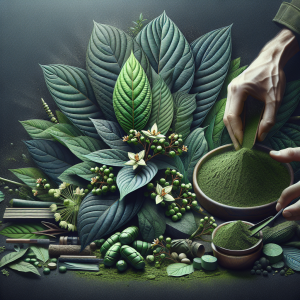
Understanding Kratom: An Overview
Kratom is a tropical tree native to Southeast Asia, scientifically known as Mitragyna speciosa. Its leaves contain compounds that interact with opioid receptors, producing various effects such as pain relief, mood enhancement, and increased energy. In countries like Thailand and Indonesia, locals use kratom for medicinal purposes. However, as its popularity rises globally, questions about its legality grow, especially in regions like Sierra Leone.
Sierra Leone has a unique legal landscape. The country’s laws regarding substances like kratom are not very clear. While many nations are regulating or banning substances like kratom, Sierra Leone does not have explicit laws governing this herb. Thus, understanding the legal status of kratom in Sierra Leone becomes essential for anyone interested in using it.
What the Law Says
In Sierra Leone, drug laws are complex and often evolve. The government enforces strict regulations regarding narcotics under the Drugs Control Act of 2008. However, kratom itself is not specifically mentioned in this act. This creates uncertainty for individuals considering using or distributing kratom in the country.
Local authorities have previously focused on more commonly recognized narcotics, leaving kratom in a gray area. Those considering kratom should be mindful that, despite the lack of specific laws, law enforcement may still apply existing drug laws broadly. This means that any use or possession may attract scrutiny, even if kratom is not explicitly banned.
The Cultural Context of Kratom in Sierra Leone
Sierra Leone has a rich cultural history, and traditional medicine plays a significant role in healthcare. Local herbal remedies are widely accepted. While kratom is not a traditional herb in Sierra Leone, the acceptance of herbal medicines could influence its potential use.
Understanding community attitudes toward kratom is crucial. Since many people in Sierra Leone rely on traditional plants for health and well-being, kratom might find a place within this context. However, its unfamiliarity could lead to skepticism among locals. Awareness and education about kratom’s benefits and risks are important for integrating it into local practices.
The Potential Benefits of Kratom
Kratom offers a variety of benefits that attract users worldwide. These benefits include:
-
Pain Relief: Many users report that kratom effectively alleviates chronic pain. This is especially appealing in regions where access to conventional pain medication may be limited.
-
Mood Enhancement: Kratom can elevate mood and reduce anxiety. Users may find that it helps combat feelings of stress and fatigue.
-
Increased Energy: A mild stimulant effect can improve focus and motivation. Some users take kratom to enhance productivity.
-
Opioid Withdrawal Help: Some individuals struggling with opioid addiction use kratom as a transition tool.
When considering these benefits, it’s essential to note that responses to kratom can vary significantly from person to person. What works for one individual may not work for another, and adverse effects are possible.
Safety and Health Risks
Despite its potential advantages, kratom also has associated risks that users need to understand.
-
Addiction Potential: Kratom can be addictive, particularly when used in high doses or for extended periods. Dependence and withdrawal symptoms can occur.
-
Negative Side Effects: Some users report side effects such as nausea, constipation, and dizziness. High doses can lead to more severe issues like hallucinations and seizures.
-
Lack of Regulation: Since kratom is not regulated in many countries, the quality and potency of products can vary greatly. This inconsistency may increase health risks.
-
Drug Interactions: Kratom can interact with other medications, leading to potential health issues. Anyone considering kratom, especially those on medication, should consult healthcare professionals.
Understanding these risks is vital. Ensuring safe usage should remain a priority for anyone considering introducing kratom into their lifestyle.
Alternatives to Kratom
For those uncertain about using kratom, alternatives are available that might offer similar benefits without the risks.
-
Caffeine: For a mild stimulant effect, many turn to caffeine found in coffee or tea. It can improve focus while being widely accepted.
-
Herbal Teas: Herbal teas like chamomile or peppermint can enhance mood and provide relaxation without the risks associated with kratom.
-
Essential Oils: Aromatherapy with essential oils like lavender offers calming effects. Many people enjoy the scents and the associated stress relief.
-
Exercise: Regular physical activity boosts mood and energy levels. It’s a natural way to enhance well-being without relying on substances.
These alternatives provide options for individuals who may want to avoid kratom but still seek mood enhancement, pain relief, or increased energy.
Community Perspectives on Kratom
As kratom grows in popularity, public opinion is shaping its acceptance. In Sierra Leone, opinions may vary. Some people may view kratom as a promising herbal remedy. Others may regard it with skepticism due to its unfamiliarity.
Awareness campaigns and educational resources can play a crucial role. Sharing information about kratom, its uses, and potential risks can help demystify it. Engaging local leaders and health professionals could foster informed discussions around kratom and its place in Sierra Leone’s herbal medicine landscape.
Legal Uncertainty and Future Prospects
The lack of clear legal designation for kratom in Sierra Leone can lead to confusion. As the global landscape surrounding kratom evolves, Sierra Leone may consider official regulations in the future. Optimistically, these could establish safety guidelines while allowing responsible use.
Tracking global trends can provide insight into potential legal changes. Countries around the world are grappling with kratom’s status. Advocates and researchers alike must continue to share reliable information about the herb. This way, those in Sierra Leone can make informed decisions regarding its use.
Conclusion
Kratom’s legality in Sierra Leone is a complex and evolving issue. While there’s no specific ban, the uncertainty surrounding drug laws requires caution. Those interested in kratom must remain informed and consult professionals if needed. Ultimately, understanding kratom’s potential risks and benefits can guide responsible use.
Frequently Asked Questions (FAQs)
-
Is kratom legal in Sierra Leone?
- The legal status of kratom in Sierra Leone is unclear. It’s not explicitly banned but falls under existing narcotics laws.
-
What are the benefits of using kratom?
- Users often report pain relief, mood enhancement, increased energy, and potential support during opioid withdrawal.
-
Are there risks associated with kratom?
- Yes, users may experience addiction, negative side effects, and drug interactions. Consulting a healthcare provider is advisable.
-
What are common side effects of kratom?
- Side effects can include nausea, constipation, dizziness, and at high doses, more severe symptoms like seizures.
-
Are there legal alternatives to kratom?
- Yes, caffeine, herbal teas, essential oils, and exercise are popular substitutes for kratom’s mood-boosting and energizing effects.
-
Why is there controversy around kratom?
- The controversy stems from potential health risks, addiction, lack of regulation, and conflicting opinions on its benefits.
-
Can kratom interact with medications?
- Yes, kratom can interact with other medications, leading to potential health issues. Always consult with a healthcare professional before use.
-
How can I safely use kratom if I decide to try it?
- Start with a low dose, ensure you purchase from trusted sources, and consult with a healthcare professional regarding any allergies or interactions.
-
What is the stance of the Sierra Leone government on herbal remedies?
- The government acknowledges local traditional herbal practices, but the specific regulation and acceptance of new herbs like kratom are evolving.
-
Where can I find reliable information about kratom?
- Websites dedicated to herbal medicine, medical journals, and local health organizations offer reputable information about kratom and related topics.
References
- National Institute on Drug Abuse
- US Drug Enforcement Administration
- Kratom Research and Information Special Reports
- World Health Organization – Safety and Efficacy of Kratom
- Sierra Leone Drugs Control Act of 2008
This article aims to provide a well-rounded look at kratom in Sierra Leone and its legal implications. Education and awareness can pave the way for informed choices and responsible use.