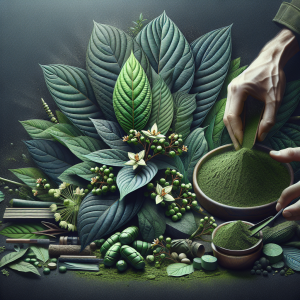
Understanding Kratom: Legal Status in Saint Martin (French Part)
Kratom, a tropical tree native to Southeast Asia, has become a topic of discussion for its potential benefits and risks. For many people, it’s a natural remedy for pain relief, mood enhancement, and even anxiety management. However, the legal status of kratom varies from place to place. This blog post aims to clarify the situation regarding kratom’s legality in the French part of Saint Martin.
What is Kratom?
Kratom, scientifically known as Mitragyna speciosa, comes from the leaves of a tropical tree. These leaves contain compounds that can have psychoactive effects. Users report various experiences, ranging from increased energy levels to pain relief and relaxation. While kratom is legal in some regions, other areas have imposed restrictions or outright bans.
The active components in kratom are primarily mitragynine and 7-hydroxymitragynine. These compounds interact with the body’s opioid receptors, which can lead to pain relief and euphoria. Nonetheless, they can also cause side effects like nausea, dizziness, and potential addiction.
Legal Landscape of Kratom
The legal status of kratom is fluid and varies across different countries and regions. In some places, it’s completely legal; in others, it’s classified as a controlled substance. The reasons for these differing stances often stem from health concerns, potential for abuse, and varying cultural attitudes toward psychoactive substances.
In the United States, for example, kratom is legal in many states but banned in others, such as Alabama and Vermont. The European Union has also taken varied approaches, with some countries like the Netherlands permitting its use, while others have banned it.
Current Legal Status in Saint Martin (French Part)
Now, let’s focus on the French part of Saint Martin. As of the latest updates, kratom is not classified as a controlled substance in France. This means that in the French part of Saint Martin, kratom is generally considered legal. However, this status can change, so it’s crucial to stay informed.
Local regulations concerning the sale, distribution, and possession of kratom may vary, so always check for the latest news. Some establishments may choose not to sell it due to its controversial nature, even if it’s legally permissible.
Cultural and Social Perceptions
Understanding kratom’s legal status also requires an exploration of cultural perceptions. Unlike more established drugs, such as cannabis or alcohol, kratom lacks a robust legal framework in many countries. In France, psychoactive substances often face skepticism. This can influence public opinion and, consequently, the legal landscape.
While some advocates argue for the benefits of kratom, there are those who oppose it, citing potential health risks. The French healthcare system has a low tolerance for substances perceived as harmful. This dynamic can create a challenging environment for kratom enthusiasts and users.
Health and Safety Concerns
Despite its legal status, health officials express concern over the safety of kratom. Risks associated with kratom use include dependency, withdrawal symptoms, and potential negative interactions with other medications. Some users report adverse effects, such as nausea, irritability, and dizziness.
Global health agencies, including the World Health Organization (WHO), continue to study kratom. While some studies suggest potential benefits for pain relief or mood enhancement, the long-term effects remain largely unknown. Users should exercise caution and consult healthcare providers for personalized advice.
Purchasing Kratom: What to Know
If you decide to purchase kratom in the French part of Saint Martin, it’s crucial to know where to buy it safely. Many shops may sell kratom products, ranging from dried leaves to capsules and extracts. Here are some tips for purchasing kratom:
- Reputable Sources: Aim to buy from well-reviewed and trusted vendors. Check for third-party testing to ensure product quality.
- Research: Before making a purchase, read reviews and seek advice from other users. Online forums can be a useful resource.
- Understand the Product: Different strains of kratom offer different effects. Research the strain that best suits your needs, whether it’s for energy or relaxation.
Dosage and Usage
Understanding how to use kratom properly is essential if you decide to try it. The right dosage can vary depending on the individual and the strain. Generally, it’s advisable to start with a low dose, especially if you’re new to kratom.
- Beginner Dose: 1-2 grams
- Moderate Dose: 3-5 grams
- High Dose: 6-8 grams or more (not recommended for beginners)
It’s important to note that effects can differ based on the strain. Additionally, kratom can have a biphasic effect, meaning low doses might provide energy while higher doses could result in sedation. Always listen to your body and adjust accordingly.
Potential Benefits and Uses
Kratom is reputed for a variety of benefits. Users commonly cite the following:
- Pain Relief: Some individuals find kratom effective for reducing chronic pain.
- Anxiety and Stress Reduction: Many users report improved mood and anxiety reduction.
- Energy Boost: Certain strains can enhance focus and energy levels.
- Withdrawal Aid: Some people use kratom to ease symptoms associated with opioid withdrawal.
While customer testimonials are compelling, scientific research remains limited. Always approach kratom’s potential benefits with skepticism and caution.
Risks and Side Effects
Like many substances that offer potential benefits, kratom comes with risks. Some of the common side effects include:
- Nausea and Vomiting
- Dizziness
- Constipation
- Dependence
More severe effects can occur with high doses or prolonged use. Users also report withdrawal symptoms similar to those experienced with opioids. Being aware of these risks is crucial before incorporating kratom into your life.
Conclusion
Kratom occupies a complex space in the legal, cultural, and health landscapes. Its legal status in the French part of Saint Martin currently deems it legal, yet this could change. Staying informed and cautious can help you make the best choices when it comes to kratom usage.
Always consult a healthcare provider for personalized advice and begin with caution. The potential benefits of kratom must be weighed against its risks. As regulations evolve, keeping updated on the latest information is essential for responsible usage.
Frequently Asked Questions
-
Is kratom legal in all parts of Saint Martin?
- Currently, kratom is legal in the French part, but it’s best to check for any changes in local laws.
-
What are the effects of kratom?
- Effects can range from pain relief to increased energy and mood enhancement, but they can vary based on the strain.
-
Can kratom be addictive?
- Yes, kratom has the potential for dependence, especially with high doses or prolonged use.
-
What are some common side effects?
- Common side effects include nausea, dizziness, constipation, and potential withdrawal symptoms.
-
How should I take kratom?
- Beginners should start with 1-2 grams and adjust according to how their body reacts.
-
Where can I buy kratom safely?
- Purchase from reputable vendors with good reviews and ensure third-party testing for quality.
-
Is there age restriction for kratom use?
- While there is no specific law, many retailers require customers to be 18 or older due to potential health risks.
-
Can I travel with kratom?
- This depends on the laws of the regions you’re traveling to. Always check regulations ahead of time.
-
Are there any health studies on kratom?
- Ongoing studies explore both the benefits and risks, but conclusive long-term data remains limited.
-
What should I do in case of an overdose?
- Seek immediate medical attention if symptoms become severe or if you feel unwell after taking kratom.